
FAITH-BASED PARTNERSHIPS AND COMMUNITY
Dallas City Homes partners with congregations across Dallas to turn faith and land into affordable housing, rooted in community.
Faith communities have always been anchors in Dallas neighborhoods — places where people gather not just to worship, but to be known, supported, and cared for. At Dallas City Homes, we believe that any lasting effort to strengthen a neighborhood has to work alongside the institutions residents already trust. For many families across West Dallas, Queen City, and beyond, that institution is their church, mosque, synagogue, or ministry.
That's why faith-based partnership is woven into how we build. From hosting events on church grounds to exploring the development of affordable homes on underused congregation-owned land, DCH works hand-in-hand with faith leaders who share our commitment to dignity, stability, and belonging for every resident.
We don't just build near congregations — we build with them.
WHY FAITH MATTERS TO STRONGER NEIGHBORHOODS
Congregations are among the most consistent, trusted gathering points in any community — and the research backs up what our partners see every day on the ground.
Nationally, roughly 41% of U.S. adults say they're active in a church group or other religious or spiritual organization — and that group is more likely than other Americans to also take part in nearly every other kind of community activity, from charities and youth programs to civic and volunteer groups (Pew Research Center).
People who regularly participate in a congregation tend to report higher happiness and stronger civic engagement than those with no religious involvement — a pattern researchers largely credit to the friendship networks and mutual support congregations create, often called "social capital" (Pew Research Center, Religion's Relationship to Happiness, Civic Engagement and Health).
That social capital isn't just a feeling — sociologists have found it functions as a real, practical asset: it helps neighbors find jobs, access resources, and get support in hard times, the same way DCH works to connect residents to opportunity.
Congregations that lead or partner on affordable housing developments have been shown to draw on this same trust to ease neighborhood concerns, secure buy-in, and connect new residents to services already rooted in the community (Fisher et al., Faith-Based Development in Affordable Housing, 2025).
For a nonprofit developer, this matters enormously. A new building creates housing. A congregation creates a neighborhood — the relationships, trust, and mutual care that make a house feel like home.
HOW DCH PARTNERS WITH FAITH COMMUNITIES
Our approach to faith-based partnership takes a few different forms, depending on what a congregation and its neighborhood need most:
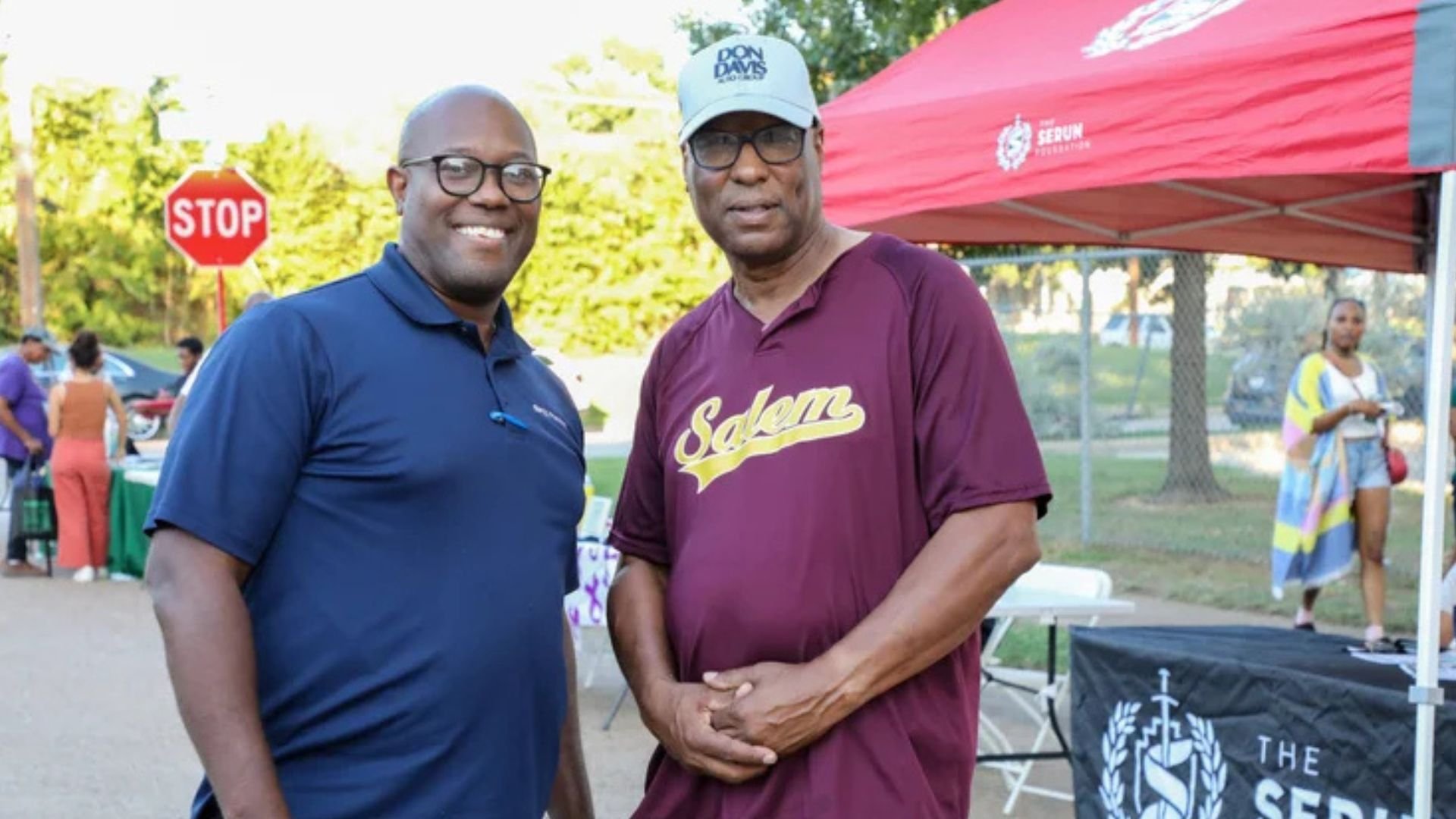
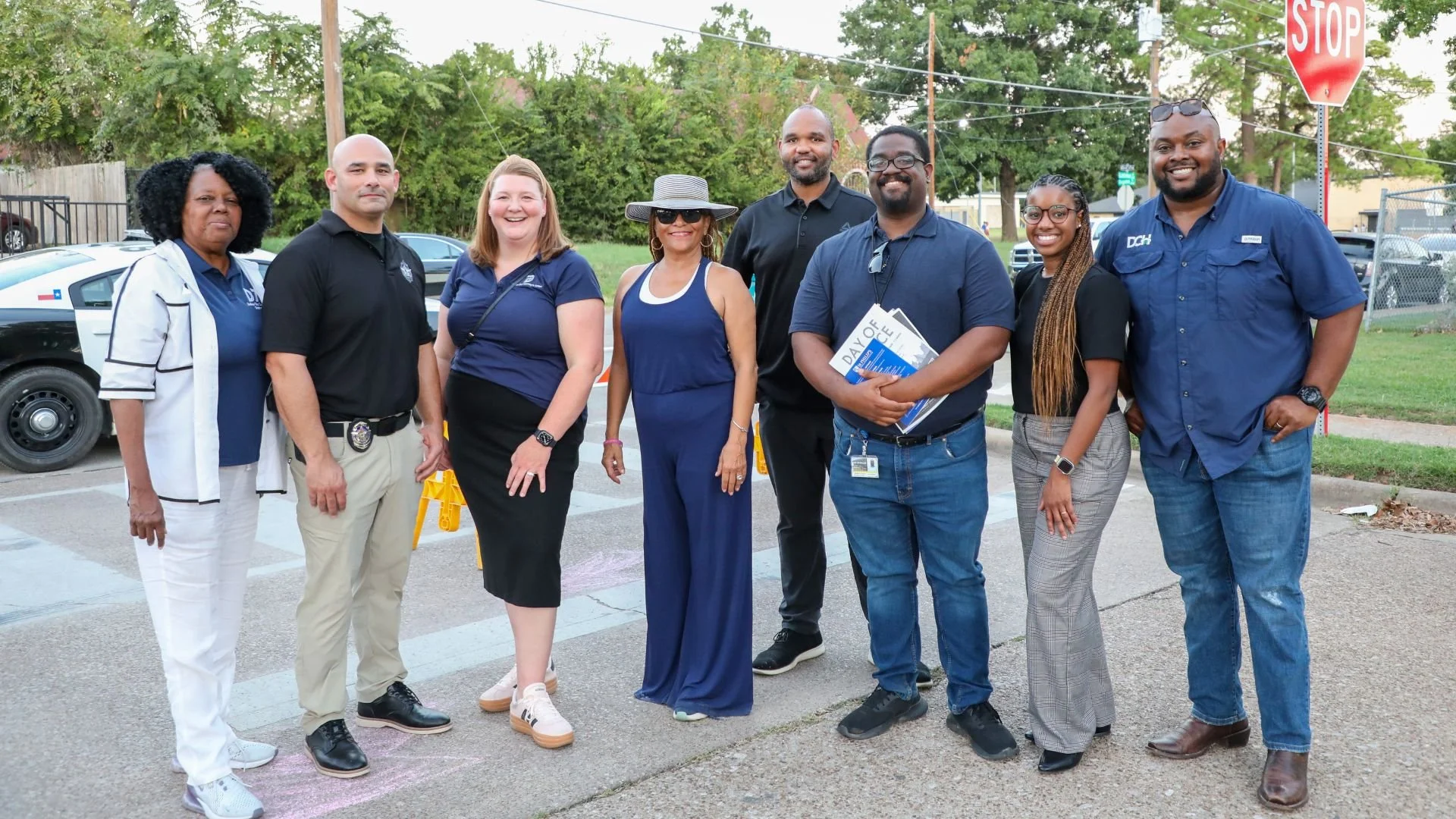
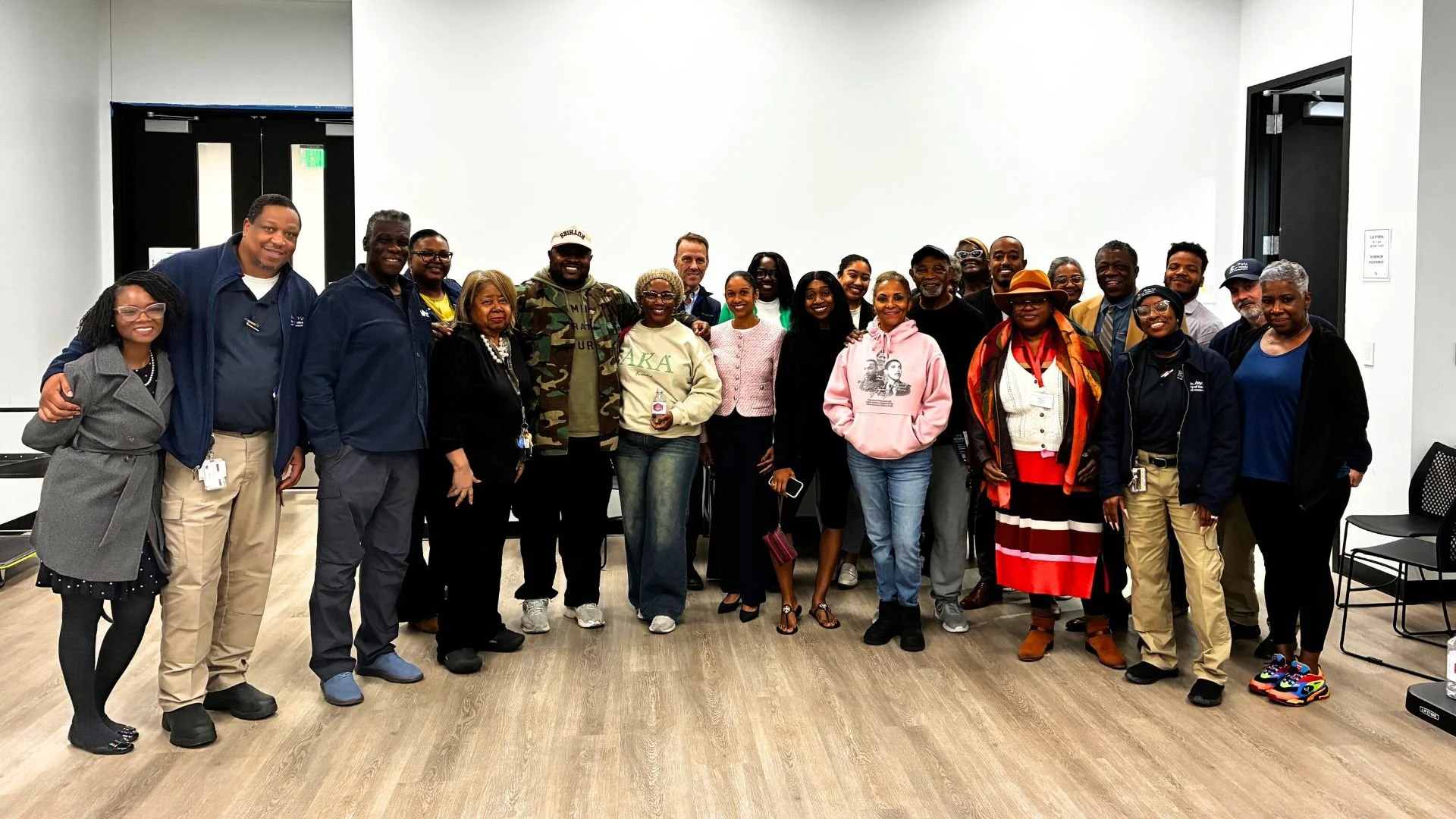
Shared space for connection. Congregations across Dallas open their doors — and their parking lots — to host the events that bring our neighborhoods together. Our 2024 and 2025 National Night Outs in Queen City, for example, were hosted at Salem Institutional Baptist Church, bringing neighbors, families, and local leaders together for an evening of food, fellowship, and safety-focused conversation.
Land and development partnerships. Many congregations own land that once supported a growing membership but now sits underused — land that could instead become affordable homes for the very neighborhood the congregation has served for decades. This is a growing national model: Enterprise Community Partners' Faith-Based Development Initiative is working to create more than 800 affordable homes on land owned by houses of worship in Houston, San Antonio, and Dallas, backed by a $1 million grant from the T.D. Jakes Foundation and Wells Fargo. In New York, LISC's Land Opportunity Program has helped 91 faith-based and mission-driven organizations develop nearly 2,500 housing units, 92% of them affordable. DCH is proud to be part of this same movement here in Dallas.
Community voice. Pastors, imams, and congregation leaders sit at the table as we plan new developments, because they carry the trust of residents who might not otherwise walk into a developer's office. Their insight shapes where we build, what we build, and how we introduce it to the neighborhood.
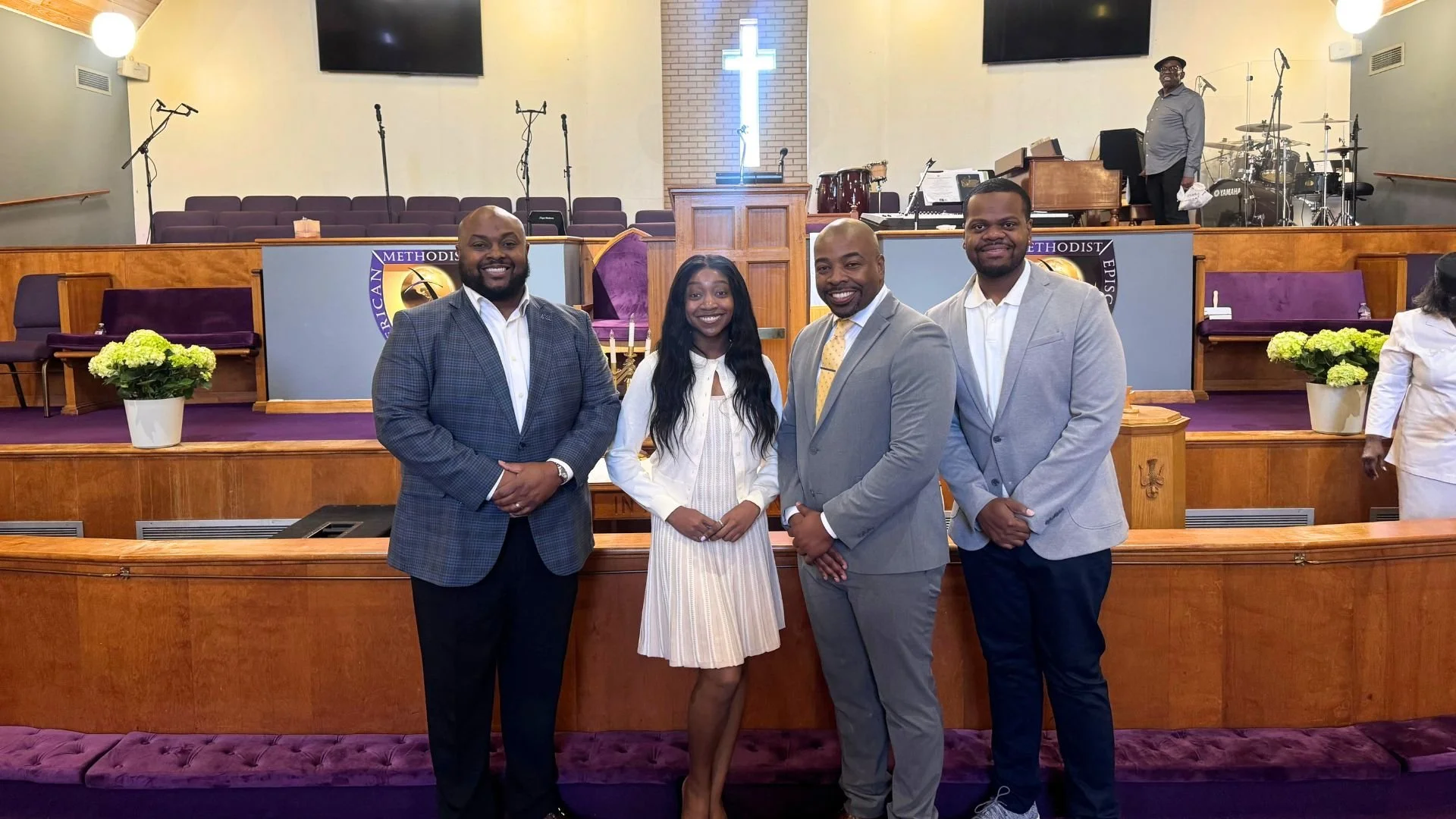
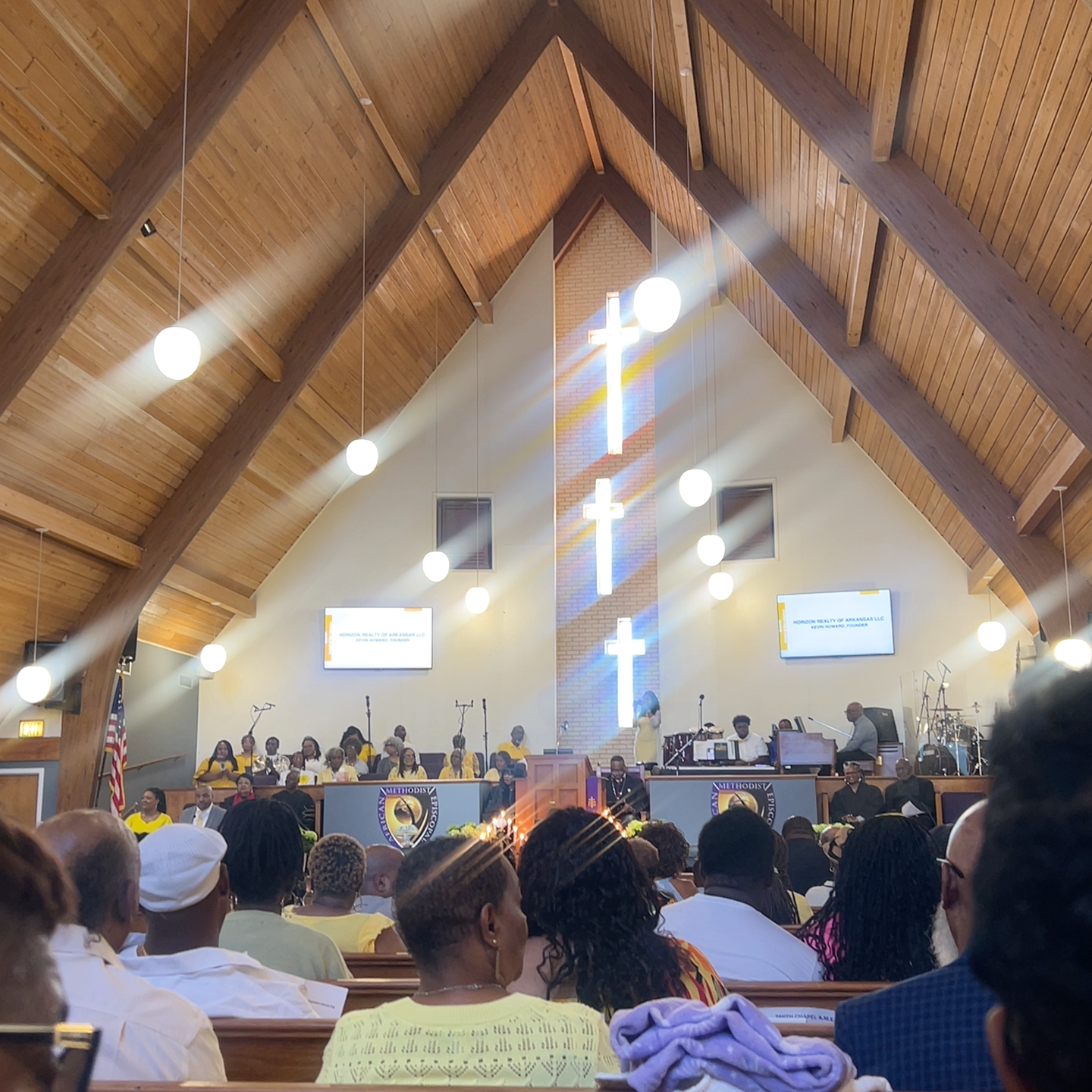
Smith Chapel A.M.E. Church, The Friends, Family, and Community Partners Day. DCH was proud to support Smith Chapel A.M.E. Church in raising $7,000 for nonprofits addressing food insecurity, homelessness, and domestic violence in southern Dallas. Their Family, Friends, and Community Partners Sunday was a beautiful showcase of powerful partnerships between local organizations, small businesses, and faith communities. After the service, DCH leadership, Jason Brown, Kristen Williams, and Tracy Williams captured a photo with Bro. Darwin Wade.
METRICS THAT MATTER
We measure the success of our faith-based partnerships the same way we measure everything else at DCH — by what changes for residents:
Congregations engaged as event hosts, referral partners, or land-use conversation partners across our service areas
Residents connected to housing, social services, or community resources through a faith-partner referral
Attendance at co-hosted events, like National Night Out, held on or near congregation property
Acres of underused faith-owned land evaluated for future affordable housing potential
Neighbor trust and turnout at community meetings held in partnership with local congregations