
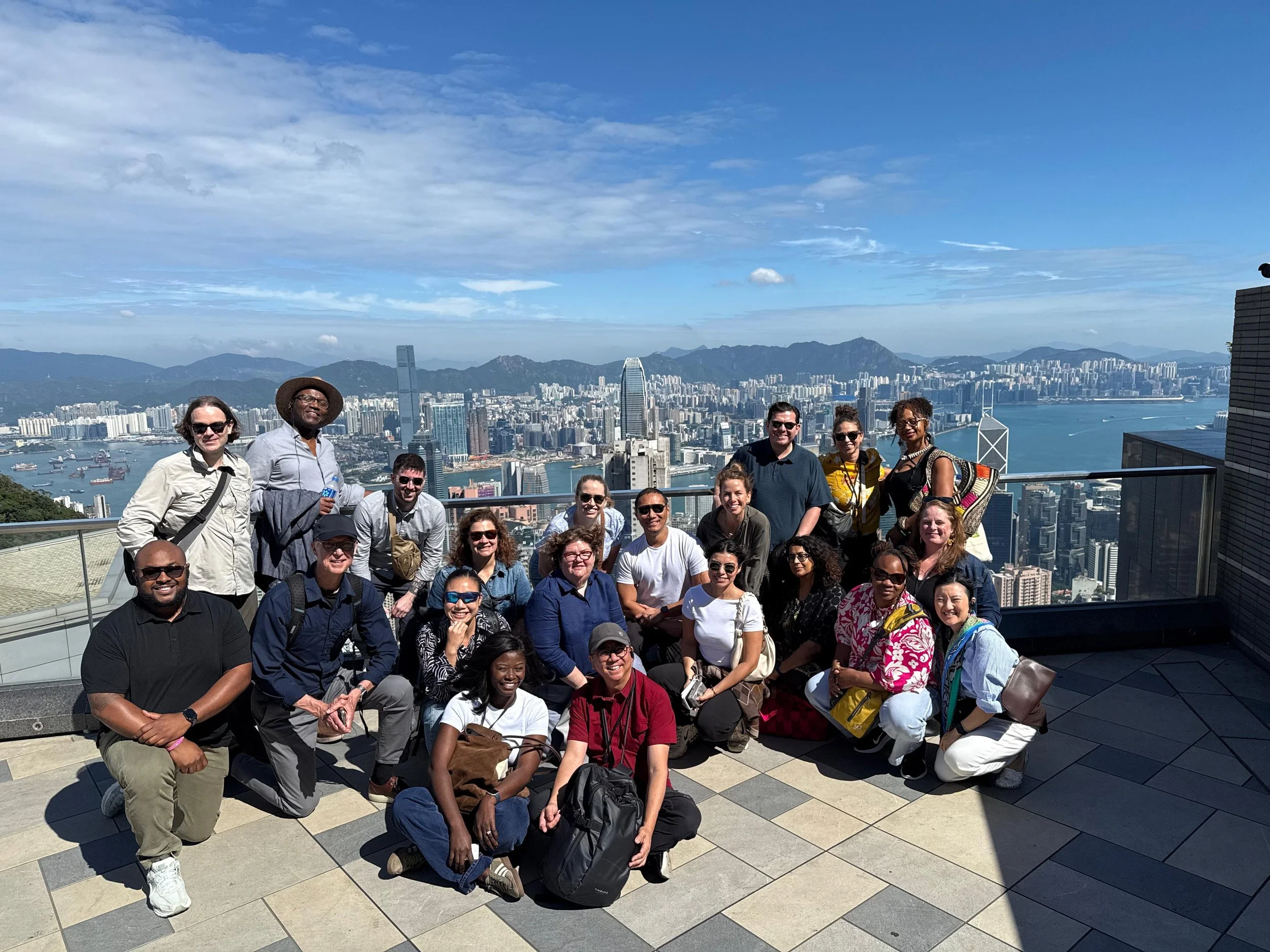
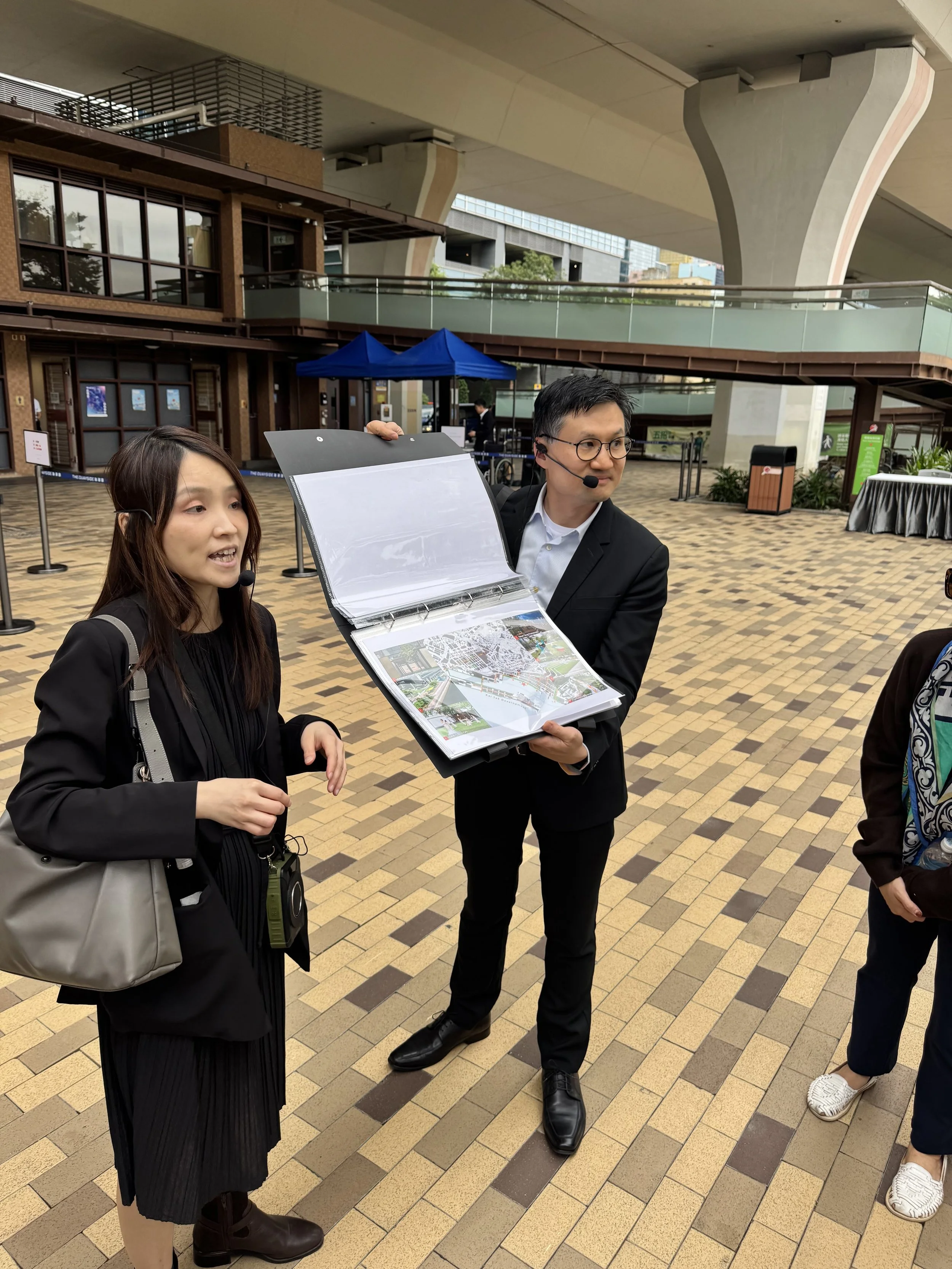
Housing affordability is a defining social and economic challenge of our time. DCH President Jason Brown recently visited Hong Kong with members of his ULI Cohort to learn how they address housing shortages, plan green spaces, and organize transportation. While deeply rooted in different legal, geographic, and economic contexts, we understand that no single policy fixes every market, and that comparing approaches and sharing ideas is how we make progress. Discover some of the historical differences and similarities that shape the housing crisis in Hong Kong, and how it is being addressed.
Hong Kong’s Housing Affordability Crisis and Historic Challenges
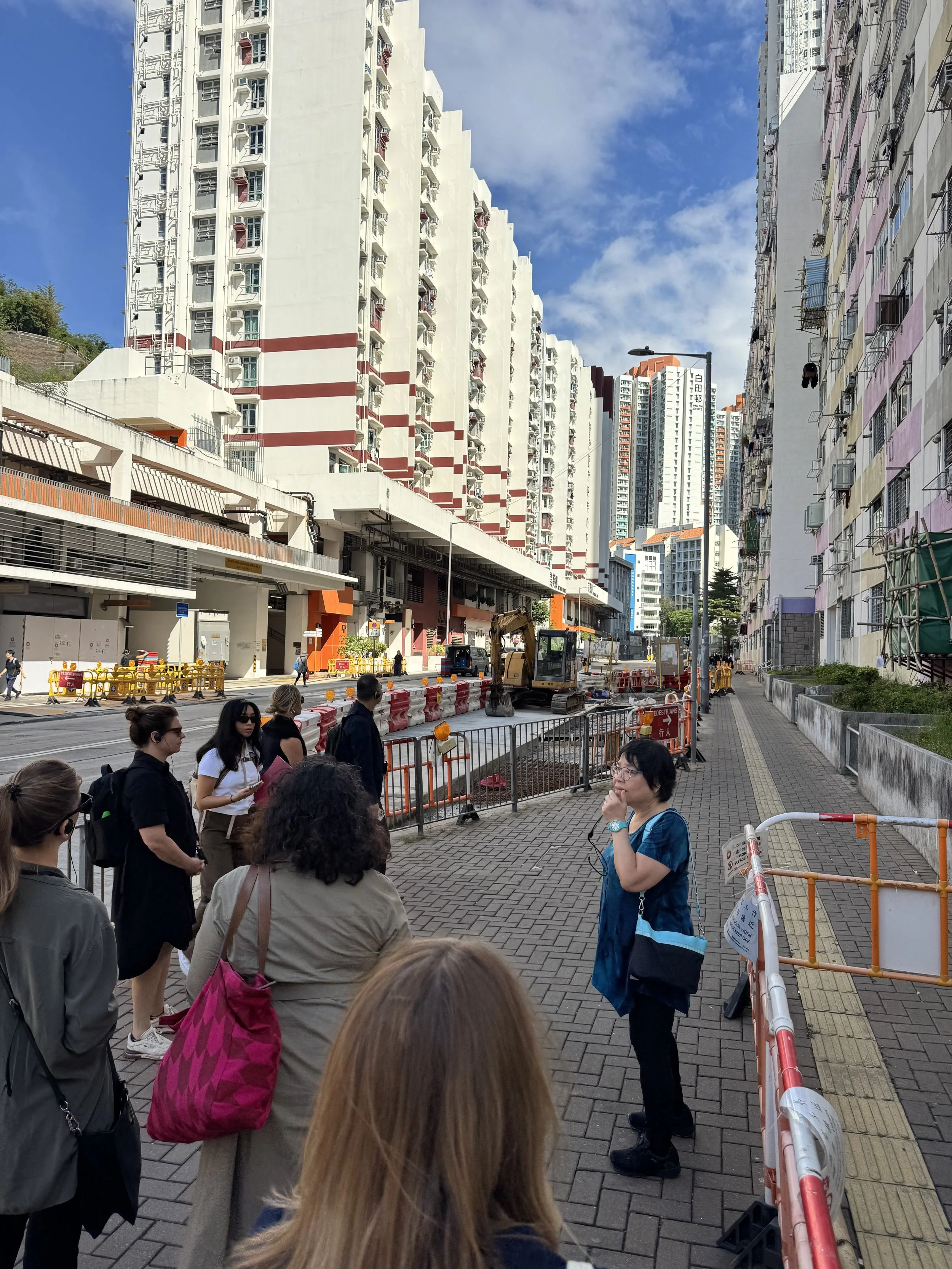
In 2024, Hong Kong’s Chief Executive announced measures to address the housing affordability crisis, particularly for younger residents and middle-class families. Hong Kong is one of the most densely populated cities in the world, and the housing crisis is one of the region’s most pressing public concerns. Chronic shortages of land and a lack of affordable housing, amid rising prices and rents, are at the root of the problem.
Hong Kong’s limited usable land is not a new constraint on its housing supply. The city’s geography and historical land-use policies mean that few new areas are easily opened for large-scale development. Further complicated by longstanding housing frameworks such as the Small House Policy, which grants building rights on rural land to certain indigenous villagers, urban housing is even more complex.
The city has seen booms in speculative development, resulting in vacancies due to affordability issues, and proposals such as vacancy taxes have been suggested but not fully implemented. The newer measures focus on helping under-40 residents access housing and assistance programs targeting younger buyers to help secure subsidized homes.
Accelerated land supply efforts, including examining more effective land use and development staging. Continued engagement with strategies to unlock under-utilized land and enhance housing choices. Some of these build on established public housing frameworks (like “rent-and-buy” schemes introduced in the past, e.g., My Home Purchase Plan), which blend rental support with future ownership options for qualifying residents.
Multilateral Shortages: Struggles the US and Hong Kong Share
The US and Hong Kong's development histories could not be more different, from occupancy to policy, but both share housing shortage crises. The U.S. crisis is not driven by land scarcity, but by a combination of zoning/regulatory constraints, high construction costs, and mismatches between workers' incomes and housing prices. Both are plagued by affordability.
Restrictive local zoning and exclusionary rules that limit density or single-family zoning have throttled new supply in high-demand regions. Additionally, underproduction of homes was a compounding issue for the housing supply even before the pandemic. Part of the reason for underproduction is high construction costs and financing barriers, including labor shortages, material costs, and tight credit.
Next Generation Solutions: Transportation and Green Spaces
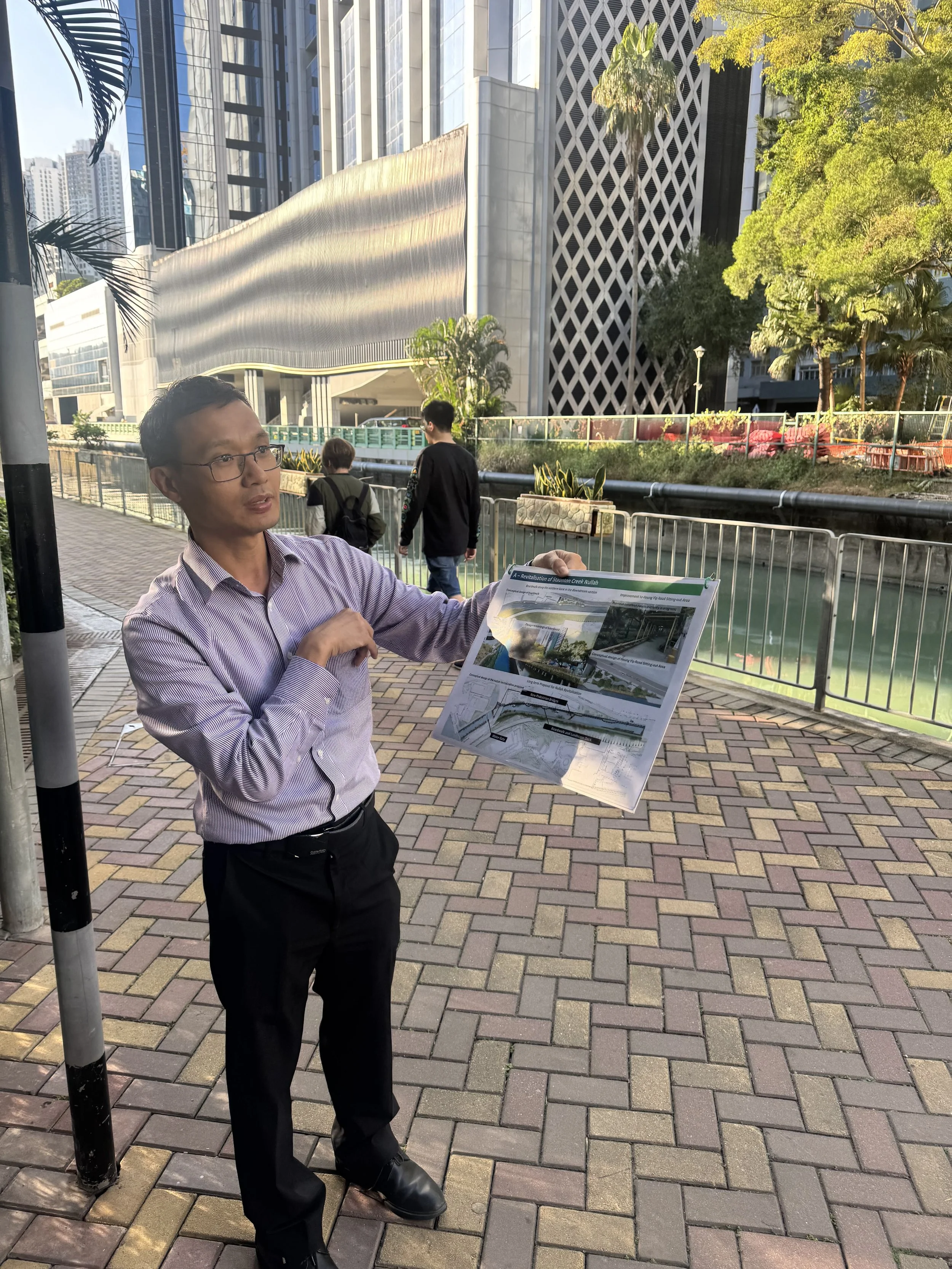
Transportation as the Urban Lifeline
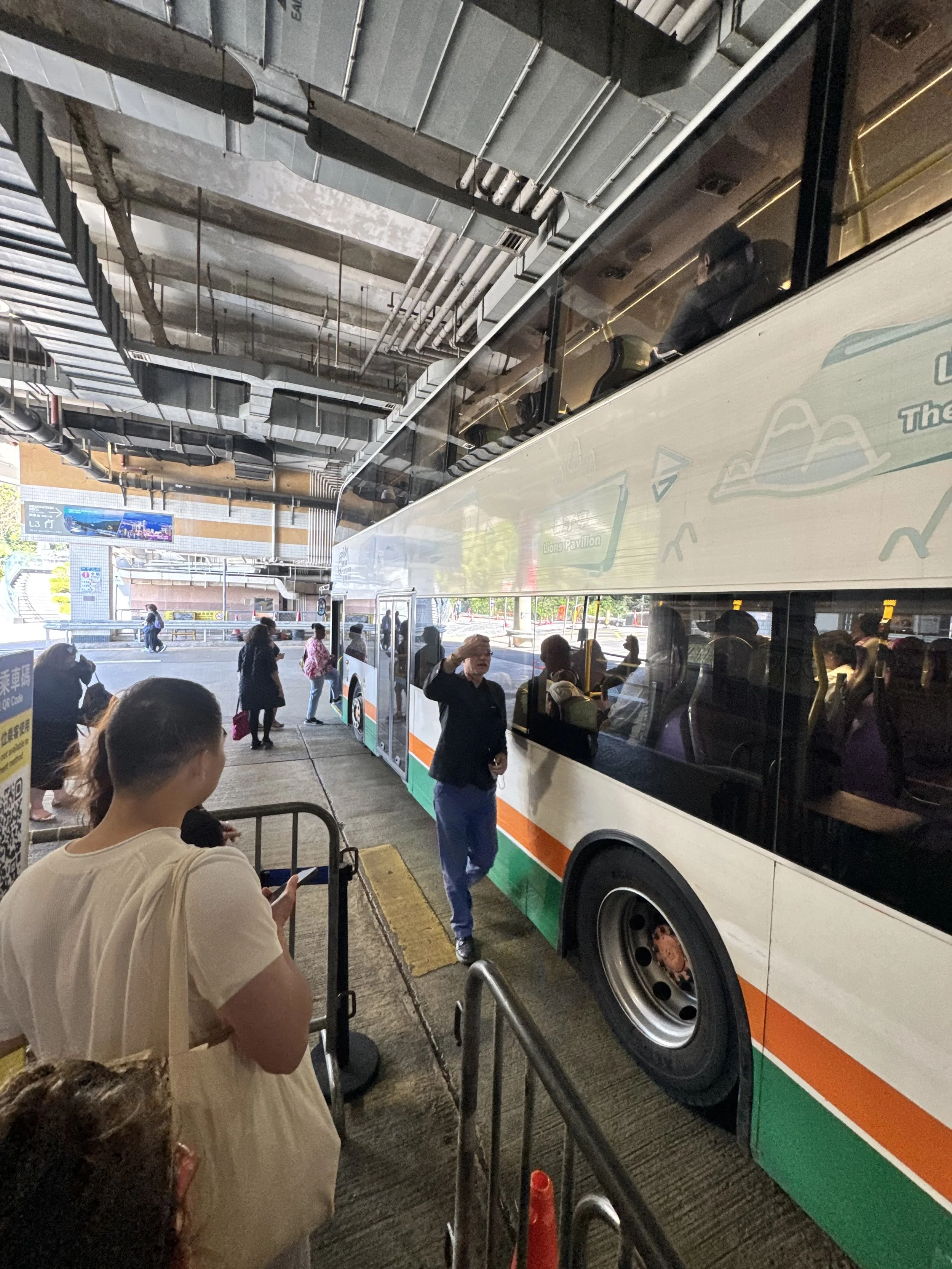
How people move shapes how a city grows. Transportation represents economic opportunity and determines who can access jobs, education, healthcare, and community life. The MTR Corporation operates one of the most efficient metro systems in the world, carrying millions of passengers daily. But what makes Hong Kong different isn’t just the trains, it’s the land-use strategy around them.
Hong Kong’s model of transit-oriented development (TOD) ensures housing, commerce, schools, and public amenities are built directly above or adjacent to rail stations. The “Rail + Property” model allows the transit authority to develop land around stations, using property revenue to help fund infrastructure. Transportation pays for itself because density is clustered around transit, leading to minimal reliance on private vehicles, reduced commute times, lower transportation costs, and more equitable access to opportunity.
Compare this to many U.S. cities, where housing and transit are often planned separately. We build rail lines without increasing nearby housing density, or we approve housing without integrating meaningful transit access. That disconnect raises costs for families and strains infrastructure.
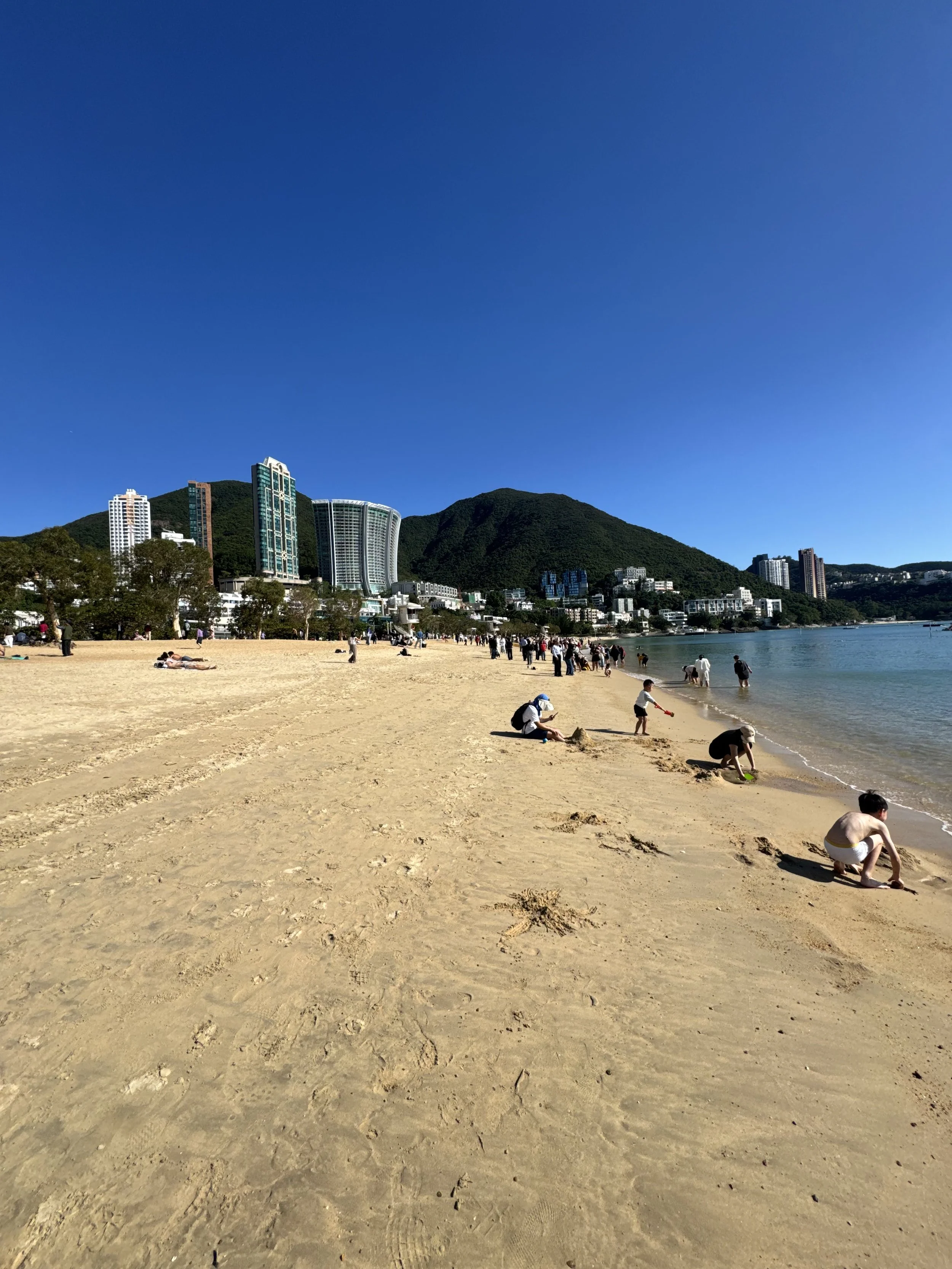
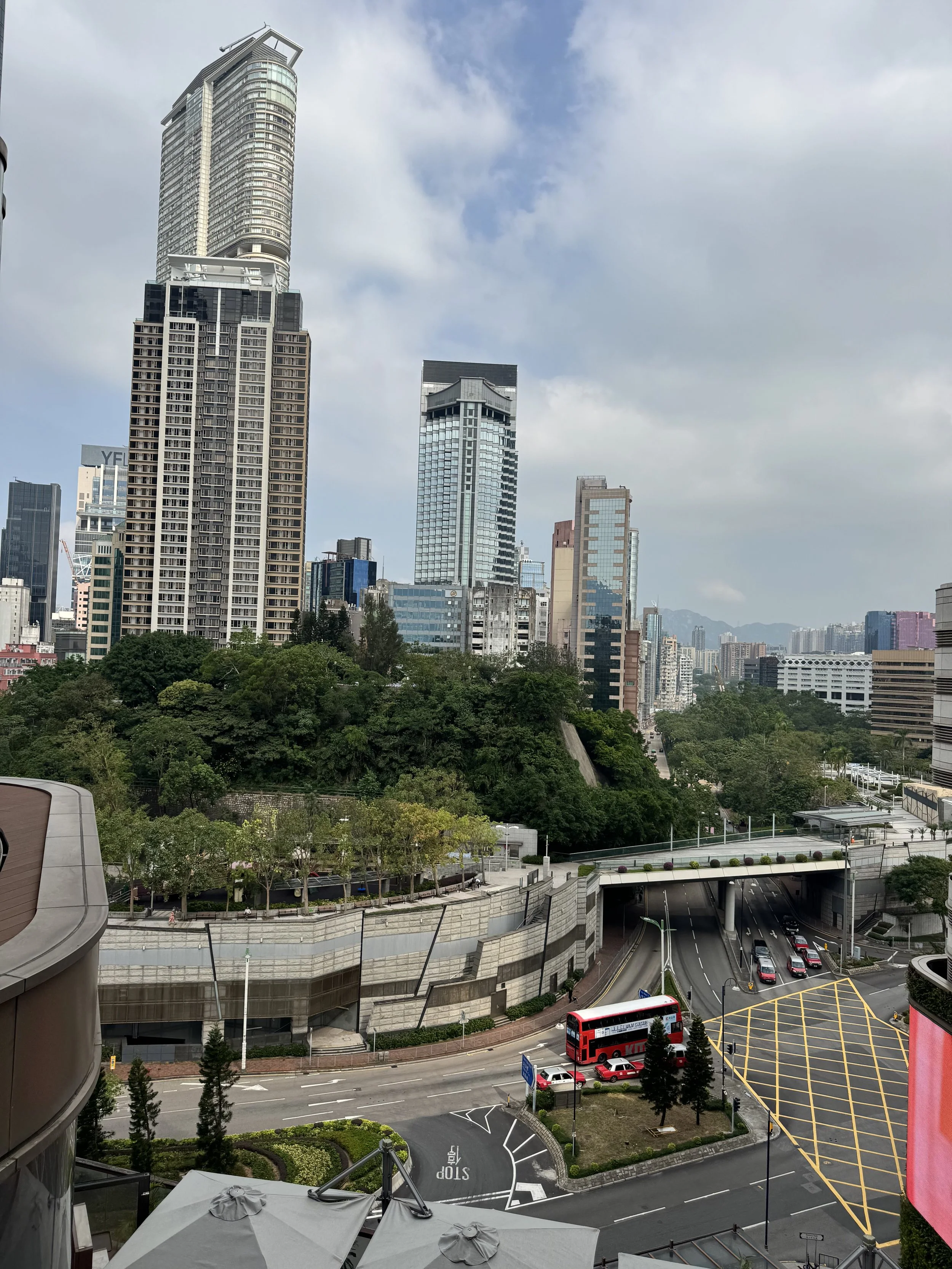
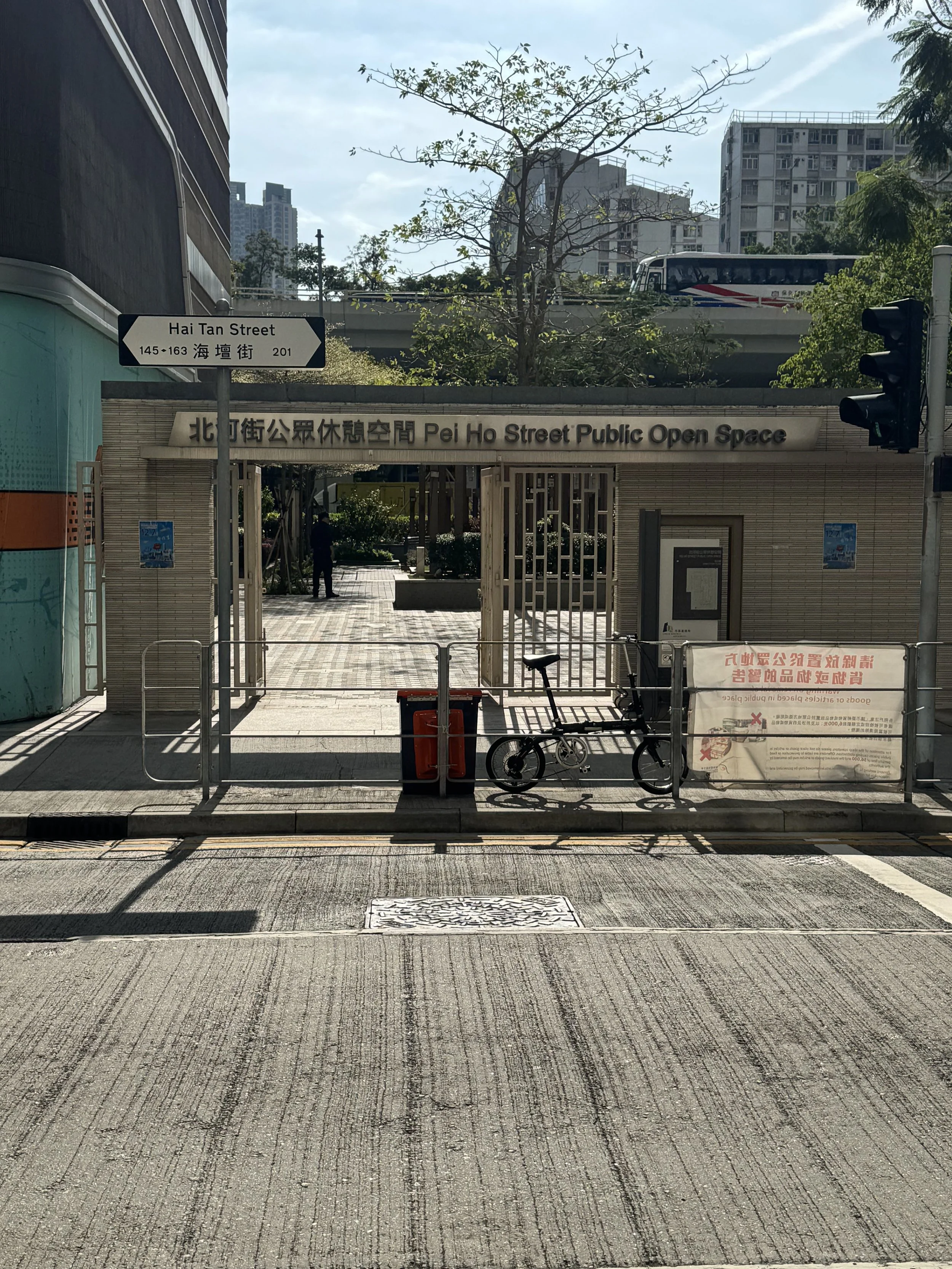
Green Space as Infrastructure
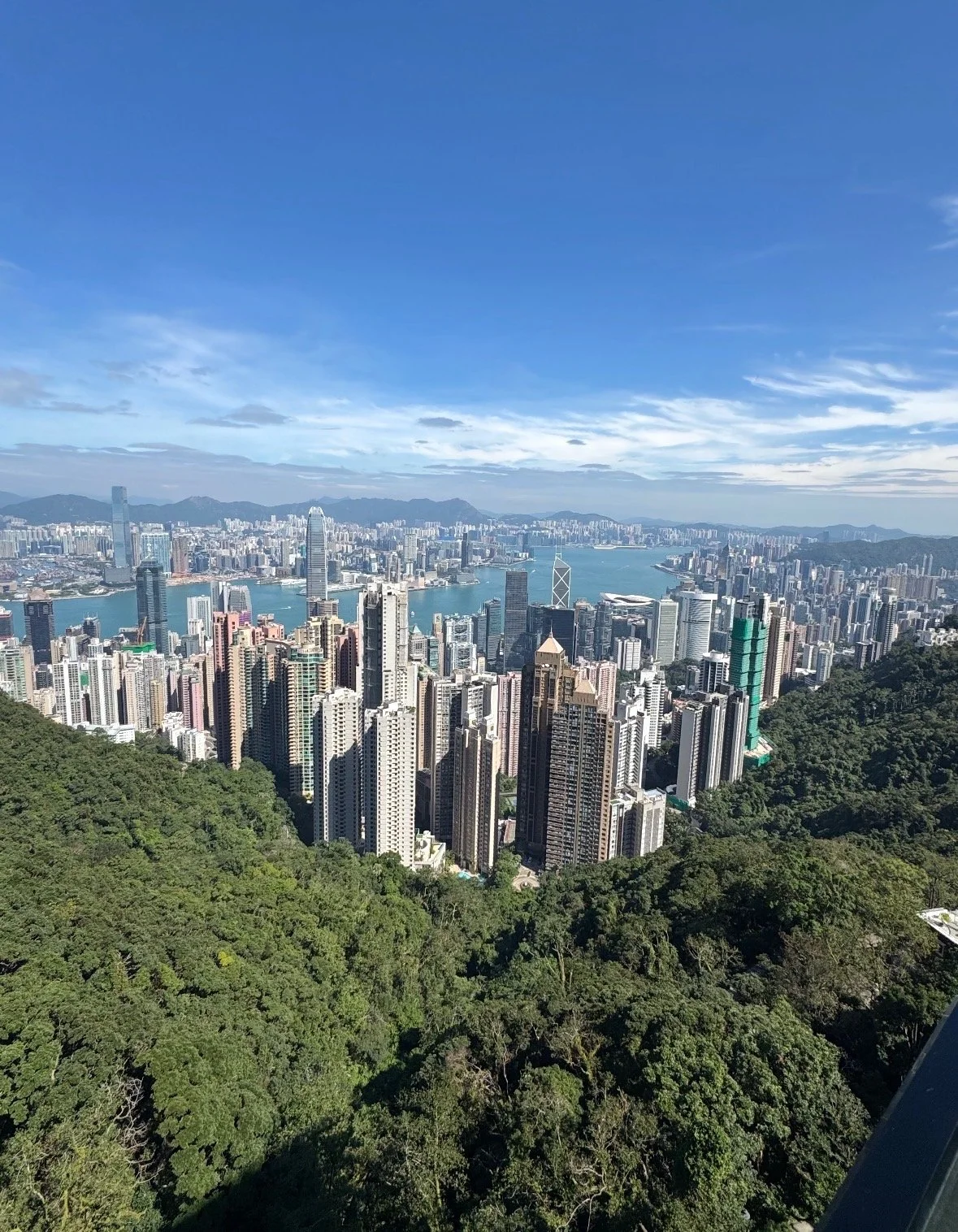
Nearly 40% of Hong Kong’s land area is designated as country parks and protected green space. Despite extraordinary vertical density, Hong Kong has made preservation and access to nature a pillar of its planning strategy. Parks, waterfront promenades, hiking trails, and green corridors are treated as critical public infrastructure.
Access to parks reduces heat-island effects, improves mental health outcomes, supports active lifestyles, and fosters shared civic identity. During conversations with members of the ULI Health Leaders Cohort 8, one theme was consistent: the intentionality of Hong Kong’s green integration is striking. Even in highly urbanized districts, residents are rarely far from either a transit stop or a park.
Build Up to Preserve Out
Hong Kong has developed vertically and around transit nodes and as a result the city preserves natural landscape elsewhere. Density can be a conservation tool. In the U.S., we frame density and green space as incompatible, however Hong Kong demonstrates they can be complementary. Build strategically where infrastructure exists and protect natural systems intentionally.
The travels with ULI Health Leaders Cohort 8 showed that some lessons transcend borders. Integrate housing and transit from the beginning, treat green space as essential infrastructure, and align financial incentives with long-term livability. Hong Kong’s housing challenges offer tangible lessons and opened our eyes to how they address population density, provide green spaces, and affordable housing for those who live and work in cities.
